Why Australia's Economy Is A House Of Cards - Zerohedge

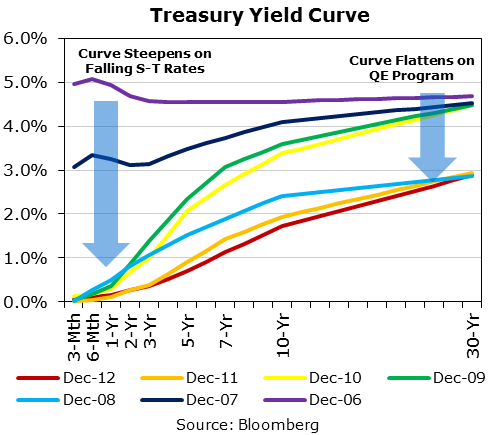
As a quick refresher of how we got here, after the Global Financial Crisis, and consequent recession hit in 2007 thanks to delinquencies on subprime mortgages, the U.S. Federal Reserve began cutting the short-term interest rate, known as the ‘Federal Funds Rate’ (or the rate at which depository institutions trade balances held at Federal Reserve Banks with each other overnight), from 5.25% to 0%, the lowest rate in history.
When that didn’t work to curb rising unemployment and stop growth stagnating, central banks across the globe started printing money which they used to buy up financial securities in an effort to drive up prices. This process was called “quantitative easing” (“QE”), to confuse the average person in the street into thinking it wasn’t anything more than conjuring trillions of dollars out of thin air and using that money to buy things in an effort to drive their prices up.
Systematic buying of treasuries and mortgage bonds by central banks caused the face value of on those bonds to increase, and since bond yields fall as their prices rise, this buying had the effect of also driving long-term interest rates down to near zero
Source: Why Australia's Economy Is A House Of Cards

Comments

Popular posts from this blog

Fed, ECB, BoJ, PBOC Balance Sheet + Global Systemically Important Banks + Emerging Markets - Zerohedge

Source: "Get Prepared" For The Chaos To Come, Snyder Fears Global Financial Bear Market Looms - ZeroHedge

Best of the week - FT

  Bondi attacks show old hatreds are flourishing again — Stephen Bush The worried investor’s guide to 2026 — Katie Martin We urgently need to rebalance EU-China relations — Emmanuel Macron The argument Iranians have in private — Najmeh Bozorgmehr The hard politics of climate overshoot — Pilita Clark